Game Over: A Colorful Font for Creative Projects
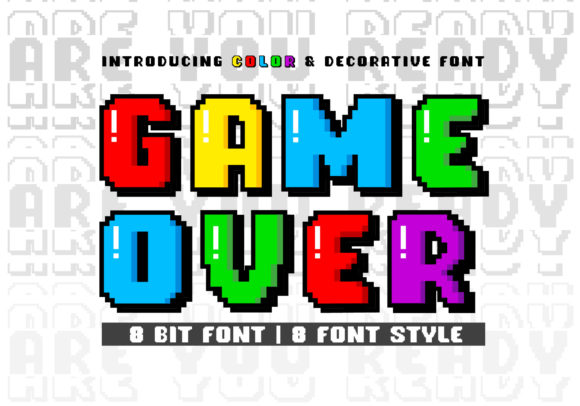
When you hear "Game Over," your mind might jump to the end of a classic video game. But in the world of design, it's also the name of a distinctive decorative color font that brings a playful, retro-inspired energy to creative work. This isn't just another typeface; it's a tool designed to inject personality and a friendly vibe into projects ranging from personal crafts to commercial branding.
Understanding the Game Over Font
At its core, Game Over is a color font, also known as an OpenType-SVG font. Unlike standard fonts that render in a single solid color, color fonts contain embedded graphics, allowing each character to have multiple colors, gradients, or even textures built directly into the glyph. This means when you type with Game Over, you're not just getting letters; you're getting small, pre-designed pieces of art that maintain their colorful appearance without needing additional manual editing in your design software.
The font includes a full set of uppercase and lowercase letters, numbers, and punctuation. A key feature is its PUA (Private Use Area) encoding. This technical aspect is crucial for users, as it ensures that all the special decorative characters, stylistic alternates, and ligatures—the unique letter combinations—are easily accessible. You can find and use these special glyphs through your operating system's character map or directly within the glyph panels of supported design applications, making the creative process smoother.
Why Different Creators Might Explore Game Over
The appeal of a font like Game Over isn't one-size-fits-all. Its value shifts depending on who is using it and for what purpose.
For the Hobbyist and Beginner
If you're someone who enjoys creating birthday cards, scrapbooking, or making personalized T-shirts for friends, the primary draw is ease of use and instant visual impact. You don't need to be a skilled illustrator to achieve a fun, polished look. Typing with Game Over can quickly generate a headline or title that feels festive and complete. The priority here is often creativity and learning; experimenting with the font's built-in features can be a gentle introduction to more advanced typographic concepts.
For the Professional Designer or Freelancer
A graphic designer or freelancer evaluates fonts differently, considering factors like flexibility, quality, and commercial value. Game Over could be a valuable asset for specific client projects—designing a poster for a retro gaming event, a logo for a quirky café, or social media graphics for a brand targeting a nostalgic audience. The professional will test its scalability, how it renders in different contexts, and whether its built-in colors can be adjusted to fit a specific brand palette. The time saved by not having to manually color each letter in a standard font can translate directly into project efficiency.
For the Entrepreneur or Small Business Owner
For a small business owner, especially one running an online store or creating product packaging, the font serves as a tool for presentation and brand differentiation. Imagine using Game Over on the packaging for a line of artisanal candy or on the header of a website selling vintage-style video game accessories. It can help establish a distinct, approachable brand voice quickly. The decision-making process here weighs the font's cost against its potential to enhance product appeal and connect with a target demographic.
For the Educator or Content Creator
Teachers, workshop facilitators, or YouTube creators might use Game Over to make educational materials more engaging. A worksheet header, a presentation title slide, or video thumbnail using this font can signal a less formal, more approachable learning environment. The priority is communication and engagement—does the font's personality help convey the content's tone effectively without distracting from the message?
Practical Applications and Considerations
The true test of any font is how it performs in real-world projects. Here’s how Game Over might fit into various workflows:
- Book Covers and Posters: Ideal for titles in genres like young adult fiction, comedy, or pop culture references where a playful tone is appropriate. The color element can eliminate a step in the design process.
- Apparel and Merchandise: Perfect for T-shirts, tote bags, or mugs where a bold, colorful graphic is desired. The font's design is optimized for such applications.
- Digital Content: Useful for blog post graphics, social media posts, or email newsletters to add visual interest and break up text-heavy layouts.
- Event Materials: Birthday invitations, party decorations, or flyers for community game nights can benefit from its friendly aesthetic.
However, it's important to note the technical compatibility. Game Over is an OpenType-SVG color font. This means it works seamlessly in modern versions of Adobe Photoshop, Illustrator, Silhouette Studio, and Inkscape. If your workflow relies on older software or specific cutting machines like Cricut, you must check compatibility first. The standard OTF and TTF files provided are not compatible with Cricut Design Space, a critical detail for crafters who use that platform.
Is Game Over the Right Font for Your Project?
Choosing Game Over depends on aligning its strengths with your project's needs. Ask yourself:
- What is the tone of my project? If you need serious, corporate, or minimalist typography, this font won't be suitable. Its strength lies in fun, casual, and energetic contexts.
- What software am I using? Confirm you are using a compatible application like Photoshop or Illustrator to access its full color capabilities.
- What is my primary goal? If it's speed and a ready-made vibrant look, it's a strong candidate. If you need a highly customizable, single-color font for complex typographic layouts, a standard font might be better.
- Who is my audience? The font resonates particularly well with audiences who appreciate retro gaming culture, youthful energy, or handcrafted charm.
For those who want to delve deeper into using color fonts effectively, consulting resources like the Ultimate Font Guide can provide valuable insights into best practices, troubleshooting, and advanced techniques. Ultimately, Game Over is a specialized tool. When used in the right context—where its colorful, friendly personality shines—it can help transform a simple design into something memorable and engaging. Its value lies not in being universally applicable, but in being the perfect solution for projects that call for a specific, playful spark.