Daddy Heart Typeface: A Detailed Evaluation for Your Design Projects
Understanding the Core Identity of Daddy Heart
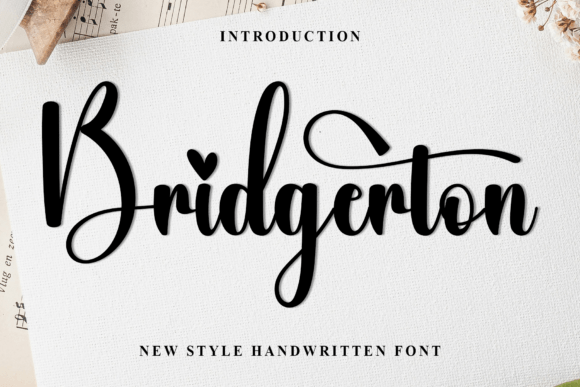
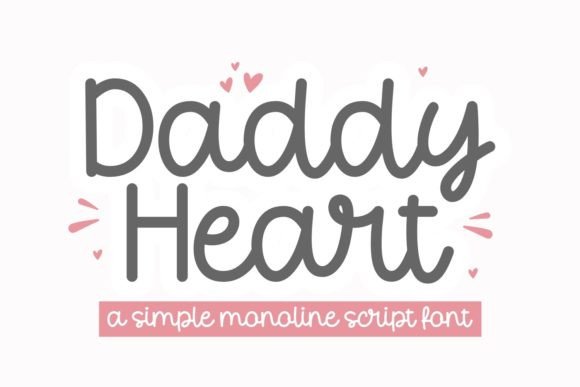
The Daddy Heart Typeface distinguishes itself immediately through its hand-scripted authenticity. In a digital landscape often saturated with rigid, geometric sans-serifs or overly polished calligraphy, this font embraces the organic imperfections of human handwriting. The defining characteristic is the seamless integration of the word "Daddy" with the heart symbol, creating a fluid ligature that feels personal rather than manufactured. This design choice moves beyond standard typography; it functions as a visual icon in its own right.
For designers and crafters, the appeal lies in the texture. Each stroke possesses a variable weight that mimics the pressure of a pen or brush on paper. This gives the typography a three-dimensional quality, allowing it to stand out against flat digital backgrounds. When evaluating this typeface, it is essential to recognize that it is not merely a set of letters but a stylistic statement designed to evoke warmth, nostalgia, and familial connection.
Comparing Script Fonts: Where Daddy Heart Fits in the Market
When selecting typography for sentimental projects, the market offers a spectrum ranging from formal copperplate scripts to casual brush lettering. Daddy Heart occupies a specific niche within this spectrum: the playful yet sentimental category.
- Compared to Formal Scripts: Traditional wedding fonts or formal cursive often prioritize elegance and slant. While beautiful, they can feel distant or overly formal for Father’s Day themes. Daddy Heart offers a more approachable, "doodled-on-a-card" aesthetic that feels intimate.
- Compared to Bold Brush Fonts: Heavy brush fonts are excellent for impact and headlines but can sometimes lack softness. Daddy Heart maintains a consistent flow that avoids the aggressive edges often found in street-style or grunge brush fonts.
- Compared to Sans-Serifs: Clean sans-serifs are the workhorses of modern design, but they lack the emotional resonance required for tribute pieces. Daddy Heart fills the emotional gap that minimalist fonts cannot bridge.
It is important to note that while many script fonts exist, few come with an integrated graphic element (the heart) that works as a ligature. This built-in design feature saves time in layout composition, as the user does not need to manually kern a heart shape between two words to achieve the desired look.
Strengths of the Daddy Heart Aesthetic
The primary strength of this typeface is its immediate thematic recognition. The moment a viewer sees the text, the emotional intent is clear. This reduces cognitive load and increases the impact of the design.
- Emotional Resonance: It instantly conveys love and appreciation, making it ideal for sentimental merchandise.
- Versatility in Application: It translates well across various media. Whether printed on textured cardstock or heat-pressed onto cotton, the irregular edges of the font help hide minor printing imperfections that would be glaringly obvious with a strict geometric font.
- Brand Consistency: For small businesses focusing on personalized gifts, using a signature font like Daddy Heart helps build a recognizable brand identity associated with family values.
Tradeoffs and Limitations
No single typeface is a universal solution. While Daddy Heart excels in warmth, it has limitations regarding legibility at small scales.
- Body Text Issues: Due to its intricate swashes and connected letterforms, this font is not suitable for long-form body text or paragraphs. Using it for descriptions or instructions will likely result in readability issues.
- Digital Clarity: On low-resolution screens or very small mobile displays, the delicate loops of the script may blur together.
- Context Mismatch: In professional, corporate, or industrial contexts, a font named "Daddy Heart" with integrated symbols is likely inappropriate. It is strictly a decorative display font.
Best-Fit Scenarios and Use Cases
Determining if Daddy Heart is the right resource requires analyzing the specific requirements of your project. It is most effective when used as a headline or accent font rather than the primary carrier of information.
Ideal Applications
The font shines in projects where emotion takes precedence over information density.
- Greeting Cards and Stationery: This is the most natural fit. The hand-scripted nature mimics a handwritten note, adding a layer of authenticity to digital designs.
- Apparel and Merchandise: For t-shirts, tote bags, or hoodies, the font acts as a graphic element. It pairs well with distressed textures for a vintage look or clean backgrounds for a modern pop-art style.
- Product Packaging: For niche products like artisanal goods, soaps, or gifts marketed toward parents, this typeface adds a homemade, artisanal touch to the labeling.
- Stickers and Decals: The bold, cohesive shape of the "Daddy Heart" text makes it easy to die-cut into stickers without worrying about thin, fragile serifs breaking off.
Situations Requiring Alternatives
If your project involves legal text, technical specifications, or extensive reading, you should look elsewhere. A clean serif or sans-serif font is necessary for clarity. Furthermore, if you are designing for a demographic that prefers hyper-modern, edgy, or avant-garde aesthetics, the wholesome vibe of Daddy Heart may feel out of place. In such cases, a geometric display font or a distressed grunge typeface would be a better evaluation choice.
Decision Factors: Making the Final Choice
When evaluating the Daddy Heart Typeface against your project needs, consider the following factors to ensure it is the optimal resource.
1. Audience Demographics
Who are you designing for? If the audience is families, children, or specifically celebrating father figures, the font is highly effective. If the audience is corporate executives or teenagers seeking "cool" aesthetics, the font may not resonate as intended.
2. Technical Requirements
Consider the production method. Because the font has a hand-drawn style with varying line weights, it performs best in environments that allow for detail. Screen printing with very fine mesh might struggle with the thinnest parts of the lettering, whereas Direct-to-Garment (DTG) printing handles it perfectly.
3. Pairing Potential
A strong design rarely uses only one font. You must evaluate what pairs well with Daddy Heart. Because it is a script font with high personality, it requires a "quiet" partner.
- Good Pairings: Simple sans-serifs (like Montserrat, Open Sans, or Roboto) provide a clean counterpoint to the script's curves.
- Poor Pairings: Pairing it with other decorative, italic, or highly stylized fonts will create visual chaos and clutter.
Conclusion: Is Daddy Heart the Right Tool?
The Daddy Heart Typeface is a specialized tool rather than a general-purpose utility. It offers a distinct advantage for designers looking to quickly inject sentimentality and personality into their work. Its unique ligature design saves layout time and ensures thematic consistency. However, it requires careful application regarding legibility and context. By weighing the emotional needs of your audience against the technical limitations of the font, you can make an informed decision on whether this typeface enhances your project or distracts from it. For Father’s Day themes and family-centric designs, it remains a compelling contender in the typography landscape.